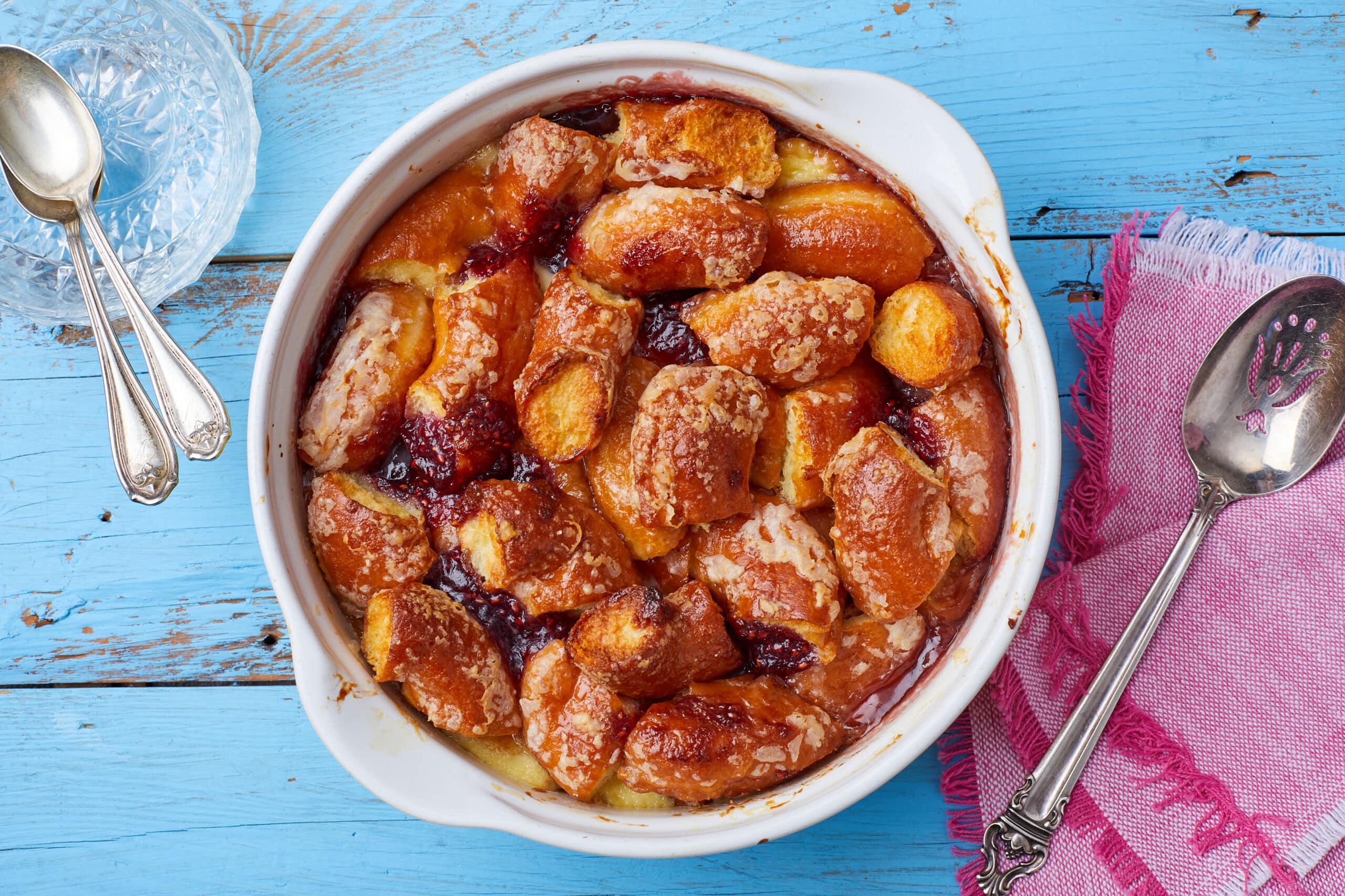
Secret to Fluffy Donut Pudding: Choose Yeasted & Day-Old
Imagine transforming those leftover donuts – the ones that are just a little past their peak freshness – into an unbelievably rich, comforting, and utterly decadent dessert. This isn't just a fantasy; it's the delicious reality of donut bread pudding. While traditional bread pudding evokes memories of warm, cinnamon-spiced comfort, swapping out the bread for donuts elevates this classic to a whole new level of indulgence. But here's the secret to achieving that perfect, fluffy texture that sets an extraordinary donut pudding apart from a mere soggy mess: it all starts with choosing the right donut, specifically yeasted and day-old varieties.
For those who, like the legendary Paula Deen, might find the idea of sacrificing a perfectly good Krispy Kreme to a pudding almost sacrilegious, rest assured: this recipe is designed to celebrate those donuts that might otherwise go to waste. It’s a delightful way to honor the humble donut, giving it a second life as a show-stopping dessert that will have friends and family clamoring for more. Forget the guilt of keeping tempting sweets around; this is about creative culinary alchemy!
The Unsung Hero: Why Yeasted Glazed Donuts Reign Supreme for Donut Bread Pudding
The foundation of an exceptional donut bread pudding isn't just any donut; it's a specific type that lends itself beautifully to soaking up a rich custard while maintaining a delightful texture. This is where yeasted, glazed donuts truly shine, offering a distinct advantage over their cakey counterparts.
Yeasted vs. Cake: A Fundamental Difference
The primary distinction lies in their structure. Yeasted donuts, like those famously known as Krispy Kreme or honey-dipped varieties, are made with a yeast-leavened dough. This fermentation process creates an airy, light, and somewhat chewy texture with numerous internal pockets. When these donuts are soaked in custard, these pockets act like tiny sponges, absorbing the liquid without collapsing into a dense, heavy mass. The result after baking is a wonderfully fluffy, custardy interior that still hints at its donut origins.
In stark contrast, cake donuts are typically denser, made with a leavening agent like baking powder or soda, giving them a crumbly, cake-like texture. While delicious on their own, when submerged in custard and baked, they tend to become overly heavy, greasy, and lose their distinct texture, leading to a much less appealing pudding. For a light and airy donut bread pudding, always opt for the yeasted variety.
The Magic of the Glaze
Beyond the dough, the glaze plays a crucial role. The thin, sugary coating on yeasted glazed donuts melts and caramelizes slightly during baking, adding an extra layer of sweetness and a hint of toasty flavor to the pudding. This creates a beautiful golden-brown top, adding both visual appeal and a subtle textural contrast to the soft interior. Even if you're tempted by cinnamon sugar donuts, the classic vanilla glaze is often the perfect starting point, offering a versatile base for other flavors.
Embracing Stale: The Day-Old Donut Advantage
Perhaps the most counterintuitive, yet critical, secret to perfect donut bread pudding is using donuts that are not fresh. While a warm, fresh donut is a thing of beauty, a slightly stale one is the unsung hero of this particular dessert. This principle mirrors traditional bread pudding, where stale bread is preferred for its superior absorption qualities.
Preventing the Mush: Why Stale is Ideal
When donuts are fresh, they are soft and moist. If you were to immediately soak them in custard, they would quickly become saturated and likely disintegrate or turn into a mushy consistency during baking. Slightly stale donuts, on the other hand, have lost some of their moisture, making their internal structure firmer and more robust. This allows them to absorb the sweet, vanilla-infused custard slowly and evenly, holding their shape better and resulting in a pudding with distinct pieces of donut suspended in a creamy base, rather than a uniformly soft, indistinguishable mass.
This drying process ensures that the finished donut bread pudding boasts a delightful contrast between the caramelized top and the moist, fluffy interior, preventing any hint of unpleasant sliminess or density. It’s a true testament to the "waste not, want not" philosophy that bread pudding embodies.
Optimal Stale-ness: A Day, Two, or More?
Ideally, use donuts that are at least a day old. Two or even a few days old can work just as well, as long as they haven't developed any mold or off-flavors. If your donuts are too fresh, you can expedite the "staling" process by leaving them uncovered on your countertop for a few hours, or even lightly toasting them in a very low oven (around 200°F/95°C) for 10-15 minutes until slightly dry but not crispy. This simple step is absolutely vital for the texture of your pudding.
For more detailed instructions on perfecting this texture, be sure to check out Day-Old Donut Magic: Craft the Perfect Glazed Donut Pudding.
Crafting Your Custard: Tips for a Silky-Smooth Foundation
The custard is the glue that holds your donut bread pudding together, providing moisture, richness, and a creamy texture. Crafting it correctly is just as important as choosing the right donuts.
Room Temperature is Key
One often-overlooked tip for making a silky-smooth custard is to use ingredients at room temperature. This applies particularly to your Half & Half (or milk/cream mixture) and eggs. When cold ingredients are combined, especially with warmer ones, they can cause the fats to seize or the eggs to clump, leading to a lumpy or uneven custard. Allowing your dairy and eggs to sit out for 30 minutes to an hour before mixing ensures everything incorporates smoothly, leading to a much more homogenous and luxurious custard that will perfectly coat your donut pieces.
Infusion for Flavor
While vanilla extract is a classic and highly recommended addition, don't hesitate to infuse your custard with other flavors. A pinch of cinnamon, a touch of nutmeg, or even a splash of bourbon or rum can elevate the overall profile. Gently warming the milk or cream with a vanilla bean before straining and cooling can also impart a deeper, more authentic vanilla flavor.
Assembling Your Donut Bread Pudding Masterpiece: Pro Tips
With your ideal donuts and luscious custard ready, the assembly process is where everything comes together. A few simple techniques will ensure your donut bread pudding bakes up beautifully.
Prepping Your Donuts
Cut your day-old yeasted donuts into rough 1-inch pieces. This size allows them to absorb the custard effectively while still holding their structure. You can also use an equal amount of yeasted glazed donut holes if you prefer smaller, bite-sized pieces.
The Soaking Process: Don't Rush It!
Once your donut pieces are arranged in your baking dish, pour the custard over them. This isn't a quick dunk; the donuts need time to properly soak. Gently press the donut pieces down into the custard to ensure every part is submerged and absorbs the liquid. Let the dish sit at room temperature for at least 30 minutes, or even an hour, before baking. This soaking period is crucial to prevent any hard or dry spots in the finished pudding and ensures an even, moist consistency throughout.
Butter Up for Success
Always butter your baking dish generously. This simple step prevents the sticky, sugary pudding from adhering to the pan, making both serving and cleanup a breeze. A light dusting of sugar or cinnamon sugar after buttering can also add a nice crust.
Elevating the Experience: Optional Add-Ins
While delicious on its own, donut bread pudding is incredibly versatile. Consider adding a layer of raspberry jam between the donut pieces for a burst of fruity tartness and color, as some adventurous bakers do. Other fantastic additions include:
- Chocolate Chips: White, milk, or dark chocolate chips melt into pockets of pure indulgence.
- Chopped Nuts: Pecans, walnuts, or almonds add a lovely crunch and nutty flavor.
- Dried Fruits: Raisins, cranberries, or chopped apricots can introduce chewy texture and complementary sweetness.
- Spices: A dash of cardamom or allspice can add warmth and complexity.
This allows you to customize your pudding to suit any taste, making it a truly unique creation.
Beyond the Basics: Donut Bread Pudding's Rich History and Versatility
At its heart, donut bread pudding is a modern twist on an ancient concept. Bread pudding itself is an age-old culinary tradition, born out of necessity as a delicious way to use up stale bread, transforming humble leftovers into something comforting and satisfying. Cultures worldwide have their own cherished versions, from France's pain perdu to Mexico's capirotada and Italy's strata.
This donut variation continues that legacy, turning what might be considered "past their prime" donuts into a sensational dessert. It's a testament to creative cooking and a delightful way to reduce food waste while indulging in a truly special treat.
The secret to a truly fluffy, melt-in-your-mouth donut bread pudding lies not just in the recipe, but in understanding the specific qualities of your ingredients. By choosing yeasted, glazed donuts that are at least a day old, ensuring your custard is smooth and your donuts are properly soaked, you unlock a world of flavor and texture that transcends a simple bread pudding. This dessert is a celebration of comfort, creativity, and the unexpected deliciousness of giving a beloved treat a magnificent second act. So next time you have a box of yesterday's finest yeasted donuts, don't despair – celebrate! You're just a few steps away from a truly unforgettable dessert. For more clever ways to repurpose your glazed donuts, explore Donut Rescue: Transform Leftover Glazed Donuts into Pudding.
